The controversial nature of paleosols related to shallow marine carbonate depositional sequences – A review
Abstract
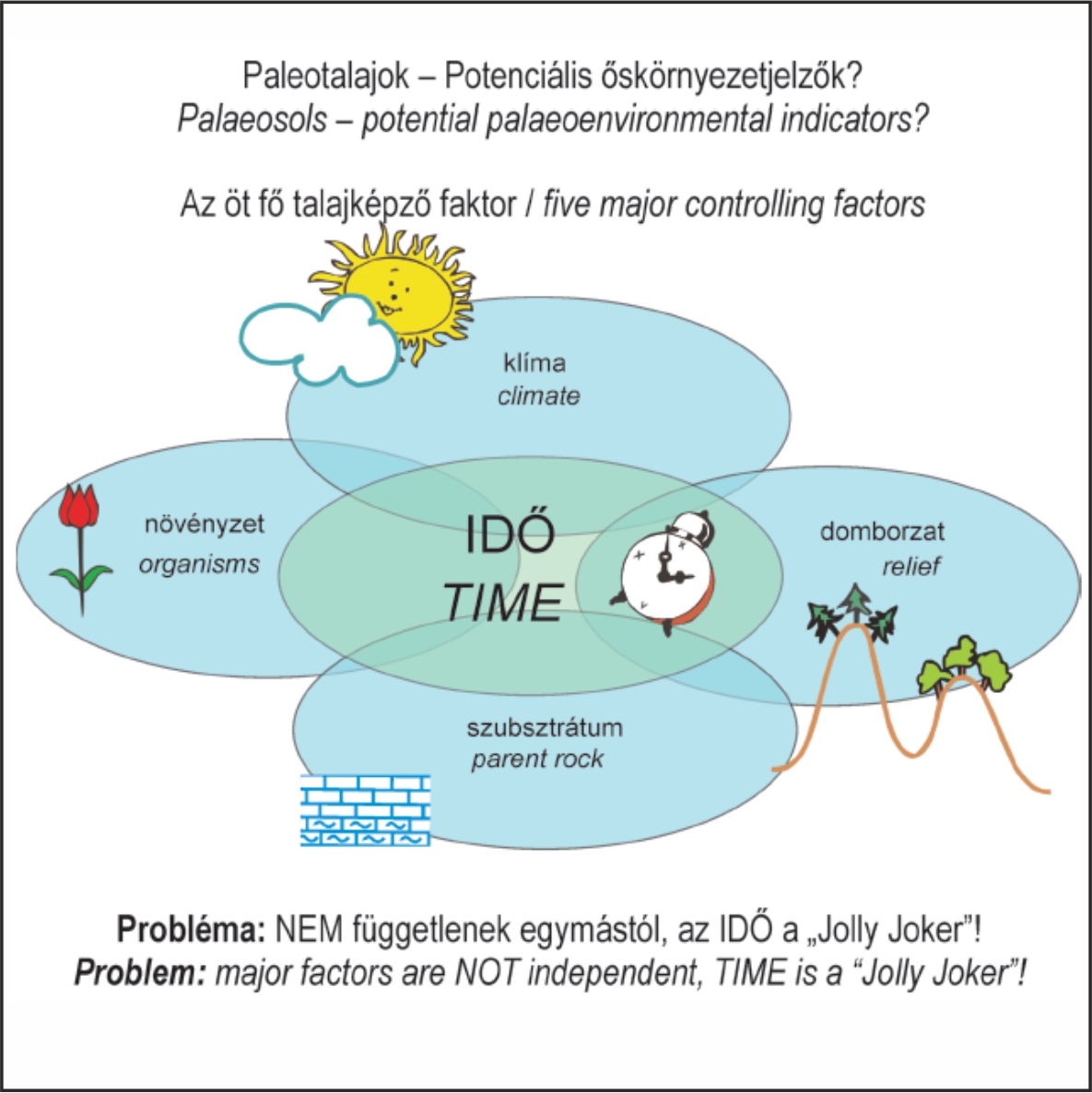
The study of paleosols, intercalated in cyclic shallow water carbonates sediments, dates back to the 19th century. For a long time, they were considered simply as indicators of subaerial exposure. Only in the ’80-ies of the 20th century their significance in assessing the duration of the subaerial episodes became realized. By the analogy of modern soils, the degree of development (soil maturity index) of pedogenically modified horizons seemed to be promising in this respect. Also, the climate signal potentially present in paleosols has been often used with the hope of supporting climate reconstructions. More and more detailed studies, however, revealed that the analogue of modern soils has to be applied with extreme caution. They proved to be much more sediments than just old soils and even their preserved climate signal turned out to be less straightforward than previously expected. The present paper is an attempt to evaluate some of the apparent controversies of these ambivalent formations and also to show how – despite the obvious difficulties – they may be all the same, useful tools in the paleoenvironmental reconstruction. Finally, the role of the study of intraformational paleosols in understanding some hitherto overlooked details of subtle geodynamically controlled subsidence-anomalies of otherwise passive carbonate platform environments is pointed out.